Body Repairs

The journey begins long before any panel is touched. Our technicians conduct a thorough inspection of the damage, examining not just the obvious dents and scratches but also checking for hidden structural issues, rust, or previous repairs that might affect the final result. We measure panel gaps, assess paint damage extent, and identify whether underlying framework needs straightening or if the damage is purely cosmetic.
This assessment phase is crucial because it determines the scope of work and helps us provide accurate quotes and timeframes. We document everything with photographs and detailed notes, creating a clear roadmap for the repair process ahead. This transparency means you understand exactly what's involved and why quality repairs take proper time to complete.
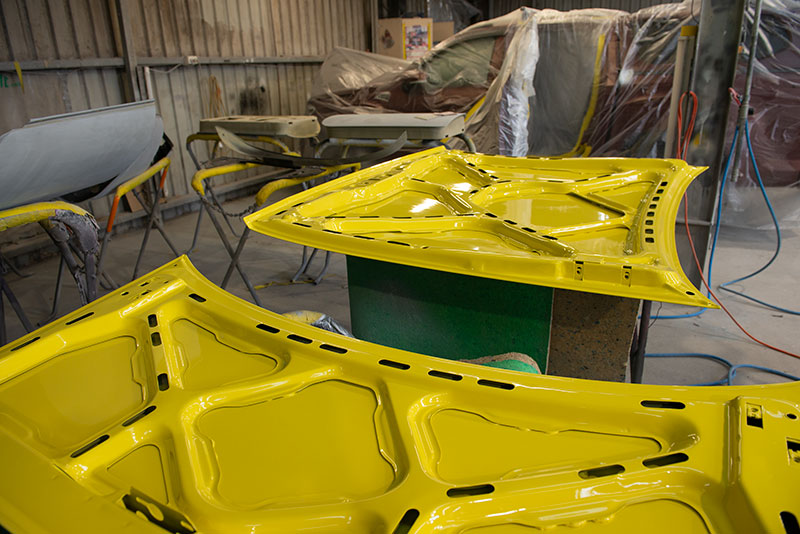
Once we've mapped out the repair strategy, panels are carefully removed from the vehicle using proper techniques to avoid additional damage. For some repairs, panels stay on the vehicle; for others, removal provides better access and allows our team to work on individual panels in the spray booth. Each panel is then meticulously cleaned, stripping away old paint, rust, and contamination to reveal bare metal ready for repair work.
Surface preparation is where many rushed repairs fail. We use specialised sanders, grinders, and chemical strippers to create a perfectly smooth, clean foundation. If dents need filling, we apply quality body filler and sand it to precise contours matching the original panel shape. This stage can't be rushed—proper preparation determines whether the final paint finish will look factory-perfect or reveal imperfections underneath.
Matching your vehicle's colour isn't as simple as grabbing a tin of paint off the shelf. Modern automotive paints come in hundreds of variations, and factors like weathering, fading, and metallic content mean that a paint code alone isn't always enough. Our technicians use spectrophotometers and test spray samples to achieve precise colour matches, sometimes mixing custom batches to account for your vehicle's age and sun exposure.
The actual spray application happens in controlled booth environments where temperature, humidity, and air quality are carefully managed. Multiple thin coats are applied rather than one thick coat—this approach provides superior finish quality and durability. Between coats, panels are inspected and lightly sanded to ensure perfect adhesion. The primer, base coat, and clear coat system requires skill and experience to execute flawlessly, which is why this stage directly impacts your final result.
After spray application, patience becomes essential. Paint needs proper curing time—typically 24 to 48 hours depending on atmospheric conditions and paint type—before the vehicle can be handled or polished. Rushing this stage risks damaging the finish. Once cured, our technicians carefully wet-sand the painted surfaces using fine-grit sandpaper to remove any dust particles and create a uniform finish ready for polishing.
The final polish step brings out the true depth and shine of the paint, using specialised compounds and polishing machines operated by experienced hands. Panel fitment is checked and adjusted to ensure factory-straight gaps, and we perform a detailed quality inspection under various lighting conditions to confirm every angle meets our standards. This comprehensive finishing process is what separates professional repairs from quick-fix work—it's the difference between a repair that lasts and one that shows its age within months.