Body Repairs

A comprehensive classic car restoration rarely happens overnight. Depending on the vehicle's condition and your desired outcome, expect anywhere from 12 to 36+ months for a full restoration. Breaking your project into phases—initial assessment, structural work, mechanical rebuilding, body and paint, and final detailing—allows you to spread costs and maintain momentum without overwhelming yourself or your workshop.
In country Victoria, seasonal weather patterns can also affect timelines. Winter dampness and spring flooding occasionally delay workshop schedules, particularly for chassis straightening and spray painting work that demands controlled conditions. Planning your restoration to work around these natural cycles helps manage expectations and ensures quality outcomes. Discussing realistic staging with your restoration team early prevents frustration and keeps your classic running on schedule.
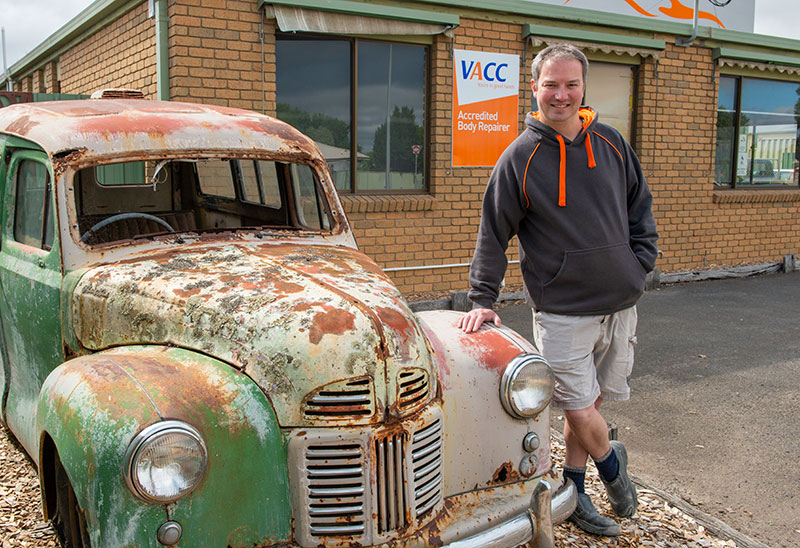
One of the hardest lessons classic car owners learn is that what appears sound on the surface often hides serious problems underneath. Rust, structural damage, and mechanical wear that only reveal themselves during disassembly frequently push budgets 20–40% beyond initial estimates. Setting aside a contingency fund of at least 25% of your total budget provides breathing room for discoveries like compromised chassis points, hidden rot, or seized mechanical components.
Getting a thorough pre-restoration inspection from an experienced restorer helps identify major structural issues before work begins. In the Ballarat and Daylesford regions, specialists familiar with regional climate conditions—particularly rust patterns from cooler, damper weather—can spot problems that less experienced eyes might miss. Understanding whether you're undertaking a cosmetic refresh or a comprehensive structural restoration fundamentally changes your financial planning and helps prioritise spending wisely.
Smart restoration owners prioritise structural integrity and mechanical soundness before investing heavily in aesthetics. Begin with a detailed inspection and assessment, followed by chassis straightening, rust treatment, and mechanical rebuilding. Only after these foundations are solid should you progress to body work, painting, and detailing—the visible elements that make a classic shine but won't prevent breakdowns if overlooked.
This staged approach also manages cash flow better than tackling everything simultaneously. Many owners work with their restoration team to complete phases over several years, enjoying partial progress while spreading costs across budgets. In Western Victoria's workshop community, experienced restorers help you identify which stages deliver the most impact and safety value per dollar spent. Prioritising correctly means your classic car becomes reliable and roadworthy before focusing on concourse-level beauty.
Restoring a classic car demands more than technical skill—it requires understanding local conditions, sourcing rare parts efficiently, and building a partnership that lasts through months of detailed work. Country Victoria specialists bring invaluable knowledge of regional climate challenges, local supplier networks, and the unique characteristics of vehicles that have spent decades in regional conditions.
Automotive Body Solutions and similar regional experts understand that classic car owners in Sebastopol, Creswick, Wendouree, Learmonth, and Daylesford want transparency, reliability, and craftsmanship. A trusted local restorer communicates honestly about timelines and budgets, involves you in key decisions, and brings passion for preserving automotive heritage. Before committing to any restoration project, spend time discussing your vision, asking about their previous classic car work, and ensuring their approach aligns with your goals and realistic expectations for the journey ahead.